
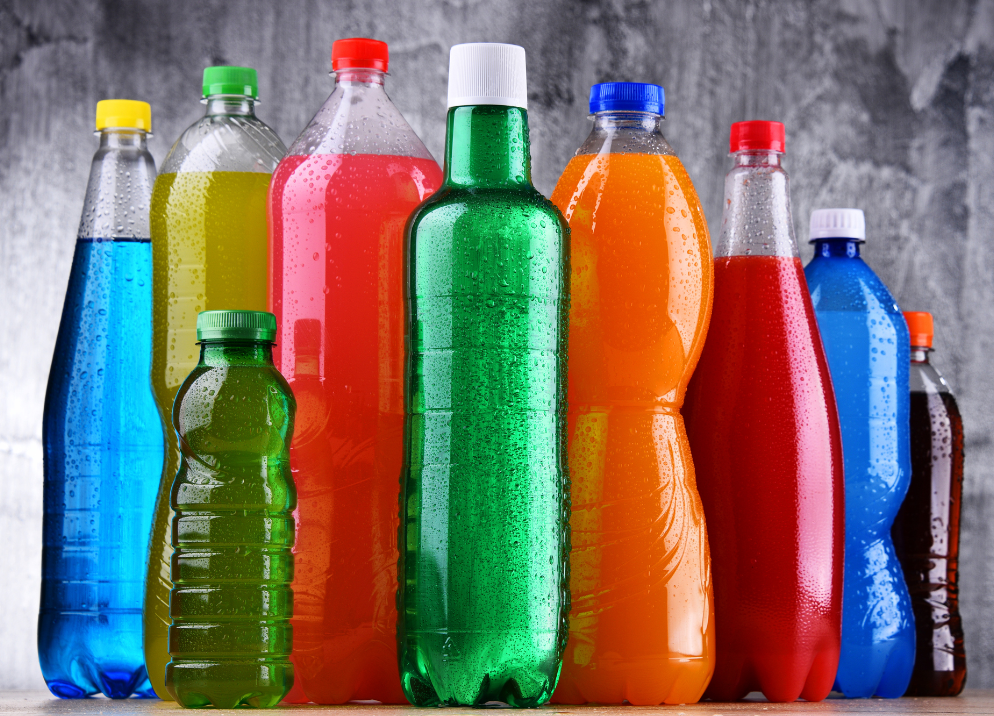
Sweet Tooth? It Might Cost You More Now
In a country known for its innovation, luxury, and forward-thinking leadership, the UAE is taking another bold step—but this time, it’s on your grocery shelf. The country is introducing a new tax structure that directly links the cost of your favorite soft drinks and sugar-Based beverages to their actual sugar content. Yes, you read that right: the more sugar in your drink, the more it could cost you.
This rule is not just another economic policy—it’s a national wake-up call. A call to look closer at what we put into our bodies and how small habits can lead to larger consequences. It’s not about banning your soda cravings; it’s about making you think twice before cracking open that extra-sweet can of cola.

What Does the New Rule Mean for You?
Previously, there was a flat tax applied to sugar-sweetened drinks. Now, the government is introducing a tiered system where beverages with higher sugar content will face higher taxes. This change means that manufacturers may soon reformulate their drinks to avoid steep penalties, and consumers will likely find themselves choosing options that are less sweet, more affordable, and ultimately, healthier.

Whether it’s your go-to energy drink, juice blend, or soft drink, its price may now be determined by the grams of sugar it contains. Simply put, sugar is becoming expensive—not just for your health, but also for your wallet.
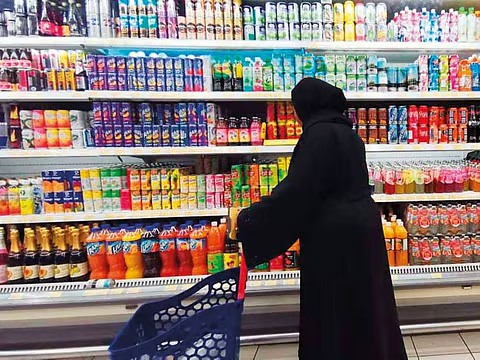
Why This Move Is Being Celebrated by Health Advocates
The UAE, like many other countries, has seen a rise in lifestyle diseases such as diabetes, obesity, and heart conditions. These illnesses are often linked to excessive sugar consumption. The new tax structure is a preventive measure aimed at addressing the root causes rather than the symptoms.
And it’s not just about pointing fingers at sugary drinks. The policy encourages awareness. It urges both companies and individuals to take ownership of health. People may soon see food labels differently. They may start reading nutrition facts not just out of curiosity but because it will directly affect their day-to-day expenses.
This small change in policy has the power to create a ripple effect across the food and beverage industry, schools, restaurants, and homes. It’s a national nudge toward choosing better.
The Real Impact: A Shift in Lifestyle and Choices
This is more than a tax. It’s a silent motivator that could slowly change shopping habits. Parents may start opting for fruit juices with no added sugar for their children. Athletes might reconsider energy drinks that were once part of their routine. Teenagers could think twice before grabbing that oversized bottle of soda.
The decision also opens the door to a wave of low-sugar or sugar-free product lines entering the market. Startups and established brands alike will now compete not just on taste or brand name, but on health-consciousness.
People who once didn’t care about sugar levels may now start calculating it, the same way they budget their monthly groceries. Sugar is becoming a luxury in a society moving towards wellness.
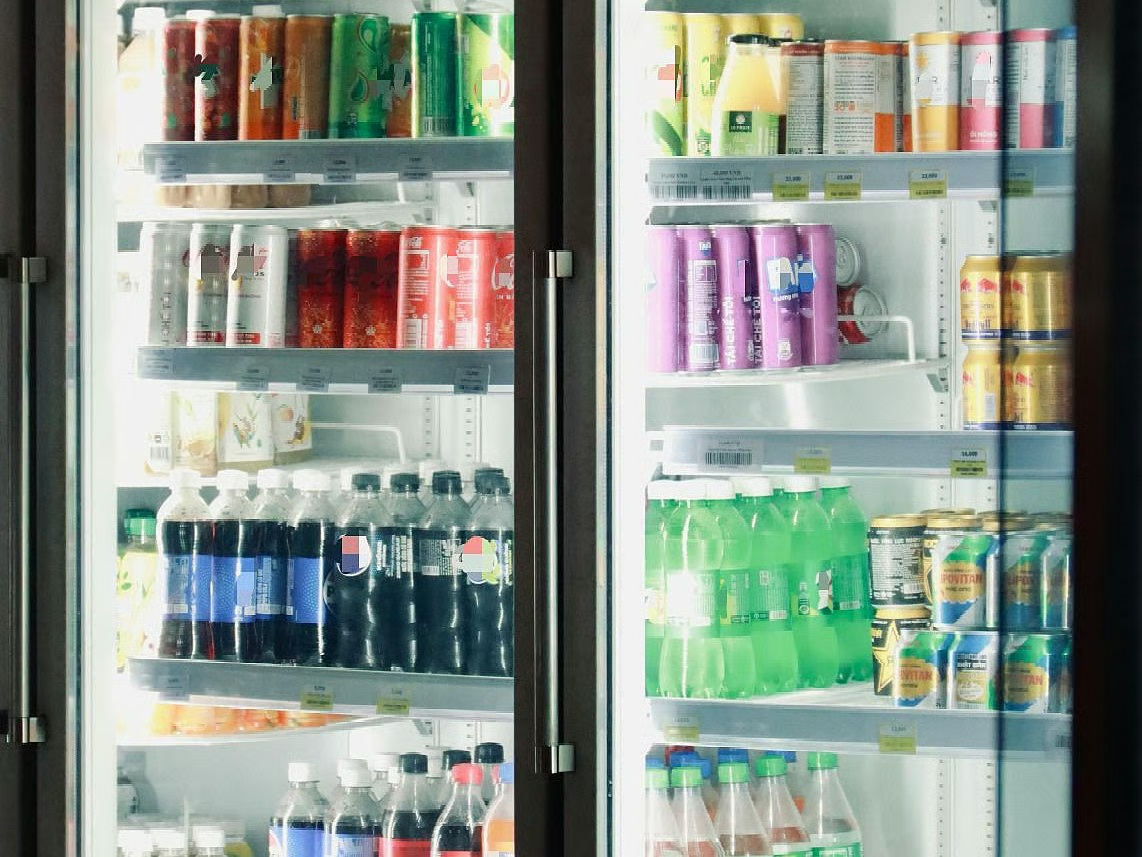
Businesses Feel the Pressure to Adapt
For beverage companies, the pressure is real. No one wants their product to be known as “the most expensive unhealthy option on the shelf.” This move challenges the industry to innovate. Less sugar, more natural ingredients, and clearer labelling may become the new normal.
Already, some brands are ahead of the game—releasing products with reduced sugar or advertising “zero sugar” on bold packaging. Others might have to play catch-up or risk losing market share to more health-conscious competitors.
Restaurants and cafes may also start displaying sugar content more transparently, possibly even rethinking their beverage menus entirely. The focus may shift toward healthier mocktails, infused waters, and creative sugar-free alternatives.
A Bold Step Toward a Healthier Nation
The UAE government has made no secret of its long-term health and wellness goals. From national fitness campaigns to health awareness days, the country has continuously pushed its residents toward better lifestyle choices.
This tax is not just about discouraging sugar—it’s about encouraging thoughtfulness. About promoting conscious choices over mindless indulgence. It’s an invitation to pause, reflect, and re-evaluate what we consume daily.
The shift will not be immediate. Many will continue to enjoy their sugary favorites, but the added cost might lead to reduced consumption over time. And even if a small percentage of the population cuts back, the long-term impact on public health could be massive.

How Families Can Use This Change as a Teaching Moment
For households, especially those with children, this new rule can be a valuable lesson in nutrition and financial responsibility. Parents can now use their grocery trips to talk about sugar, health, and smarter spending.
This can be an opportunity to explore homemade drink options—like fruit-infused water, fresh smoothies, or traditional beverages with no added sugar. Schools too can take this moment to educate children about how food and drink choices affect their bodies and minds.
It’s a moment to reset—to realign taste buds and household habits with long-term health goals.
From Sweetness to Strength: The Bigger Picture
This isn’t about depriving people of what they love—it’s about showing the real cost of our choices. When sugar is cheap and accessible, its dangers go unnoticed. But when it begins to dent your daily budget, it becomes impossible to ignore.
The UAE is making a bold statement: health isn’t just a personal goal; it’s a collective responsibility. And like all powerful movements, it begins with a single change. In this case, it starts with a drink in your hand.
As this new policy rolls out, expect to see lifestyle bloggers sharing low-sugar finds, influencers promoting healthier brands, and communities coming together to swap recipes. The journey toward health is becoming mainstream, and sugar is no longer the silent saboteur hiding in your fridge.
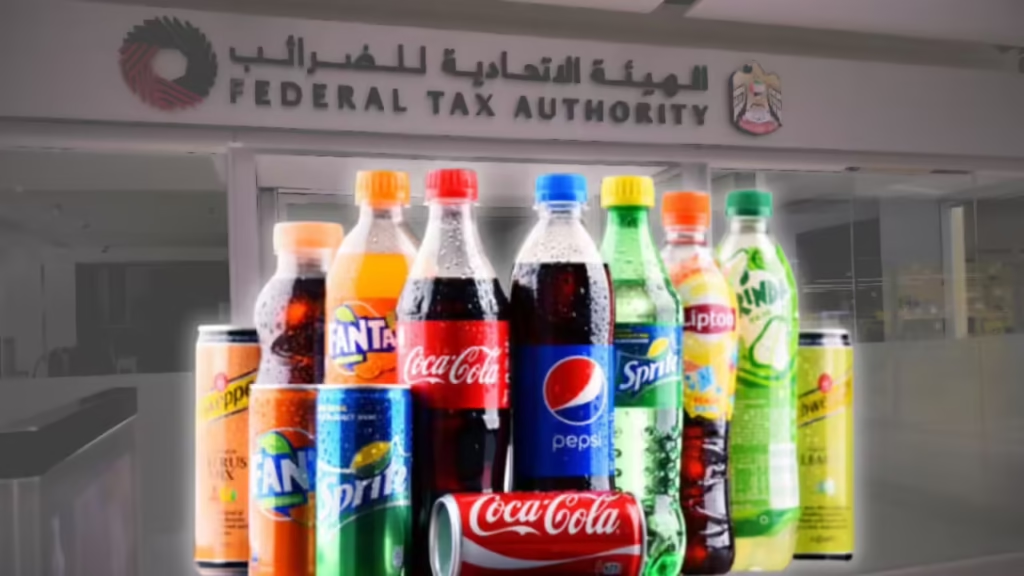
What Comes Next: A Nation’s Shift in Taste and Awareness
With change, there’s always resistance—but also opportunity. The UAE is not just taxing sugar; it’s transforming a culture. It’s proving that health is a priority worth investing in. And while the move may seem small—one can, one drink at a time—the ripple effect could be monumental.
As more people become aware of what they consume, as businesses innovate, and as families make better choices, the UAE is quietly scripting a story of transformation. A story where economic policy meets personal health, and where a nation collectively moves towards a brighter, healthier, and more conscious future.
So, the next time you pick up that bottle, ask yourself—how sweet is too sweet? Because in today’s UAE, that sweetness might just come with a new price tag.
Do follow UAE Stories on Instagram
5,600 Startups and Counting: UAE Leads GCC’s Startup Revolution