As the UAE’s real estate market evolves and matures, the expectations placed on its cities have reached a new high. In the past, urban success was often measured by the number of buildings rising from the sand, how fast they could be completed, and how well they sold. But today’s cities face a very different reality. Climate change, infrastructure pressure, shifting social dynamics and rising global standards mean expansion is no longer enough. Future cities must be planned with intention — integrating technology, sustainability, culture, and human experience from the ground up.
A Changing Mindset in Urban Planning
In today’s world, cities are not just physical spaces — they’re ecosystems. And with the challenges we face, they must become solutions. The way we design and build urban environments has the power to directly influence energy use, health outcomes, mobility efficiency, water management, and social equity.

Sharjah offers a clear example of this transformation. With a 31.9% year-on-year increase in real estate transactions this year, confidence in its development strategy is high. But this momentum is about more than numbers. It signals trust in a future-focused vision: one that’s geared not just for economic growth, but long-term sustainability and quality of life.
Breaking the Silos: Cities as Living Ecosystems

The most successful modern cities are no longer built in parts. They are conceived as complete, connected ecosystems. Real estate, infrastructure, transport, culture, environment, and public services must work together seamlessly. Innovation by itself is no longer enough. Integration is what brings real transformation.
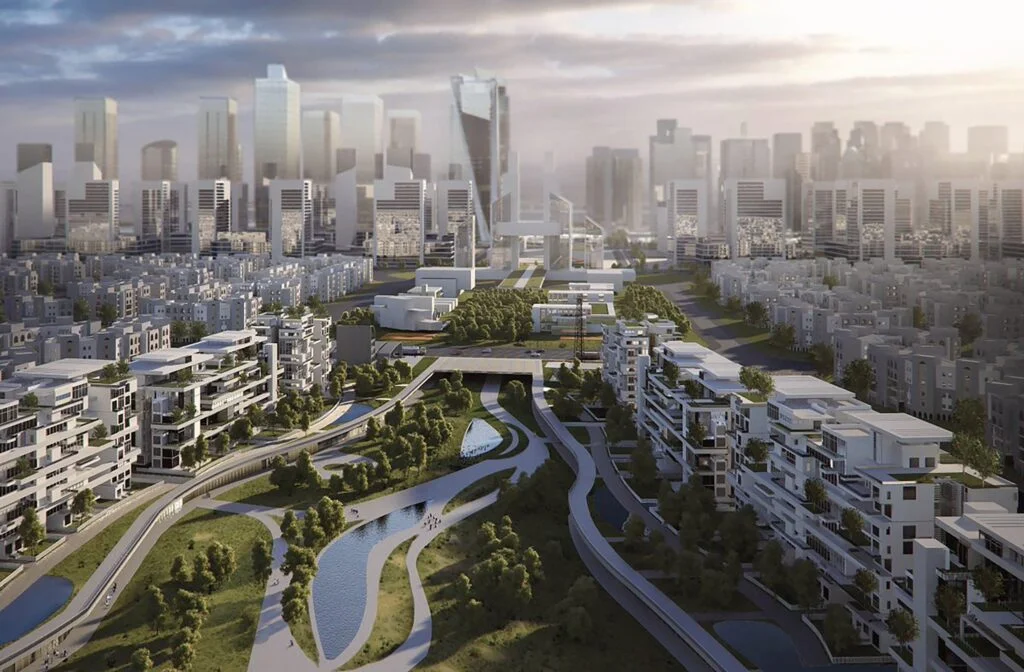
This approach is at the heart of Khalid Bin Sultan City — a bold new development in Sharjah spearheaded by Beeah. Designed from the ground up as a model for future urban living, this city doesn’t separate technology from sustainability or infrastructure from beauty. Instead, it brings everything together in a unified, intelligent, and people-centric vision.
A Climate-Smart Blueprint for Tomorrow
Khalid Bin Sultan City is more than just another property development. It’s a functioning, replicable blueprint for climate-smart living. From the start, the city has been designed to be net-zero ready. Energy will be sourced from renewables like solar and waste-to-energy systems. Waste will be treated both onsite and offsite, supporting a circular economy where as much material as possible is recycled and reused.
Water conservation will be a priority. Wastewater and rainwater will be captured, cleaned, and reused to minimise stress on natural water resources. Even the construction standards follow stringent sustainability guidelines to ensure resilience and longevity.
Technology That Works for People
Innovation here is not just for show — it’s built to serve. The city will feature a digital twin system that tracks real-time data and optimises operations across infrastructure, public services, and utilities. This means faster responses, more efficient management, and a better quality of life for residents.
Residents will benefit from smart platforms and apps that simplify everyday tasks. Digital identities will link homes, offices, and services — allowing for seamless access and personalised services. Technology in Khalid Bin Sultan City isn’t just about efficiency — it’s about making life smoother, more transparent, and more connected.
Designing for Human Connection and Well-Being
The city’s focus isn’t just on buildings — it’s on people. Public spaces are designed to encourage connection, creativity and calm. Native and adaptive trees will provide shade, creating walkable, car-free zones where families can gather, children can play, and communities can thrive.
Cultural experiences are deeply embedded in the city’s identity. A dedicated cultural centre, regular public art displays, and dynamic programming will make it a vibrant hub of expression and heritage. This isn’t just a place to live — it’s a place to belong.
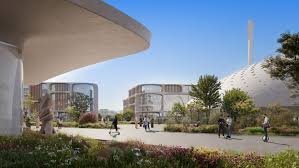
Every detail is considered to enhance health and accessibility. From recreational areas within walking distance, to health-focused facilities and electric micro-mobility options, everything is designed to help people move, breathe, and live better.
Real Questions. Real Answers. Real Action.
What Khalid Bin Sultan City represents is not some futuristic dream. It’s a practical response to very real questions:
How do we build walkable neighbourhoods in high-temperature climates?
How do we implement smart infrastructure without creating digital chaos?
How do we make sustainability an outcome, not a buzzword?
These are the challenges cities around the world are grappling with — and this city is offering real answers.
Shifting the Purpose of Urban Growth
There was a time when property development was primarily about profit. That era is ending. Today, the market is shifting. There’s growing demand for spaces that are resilient, sustainable and meaningful. Developments must now deliver on bigger promises — contributing to national goals, public health, innovation, and inclusivity.
This doesn’t mean cities must become less profitable. On the contrary, sustainable and integrated urban developments often become more valuable over time because they are built to last. They attract long-term investment, retain residents, and enhance overall quality of life.
From Vision to Responsibility
In the UAE, we are fortunate to have clear national strategies guiding our urban evolution — like the Net Zero 2050 strategy. But turning vision into reality isn’t just the government’s job. The baton now passes to developers, architects, operators, and service providers.
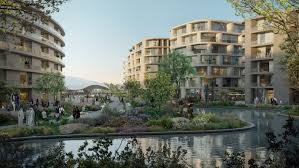
We must begin with systems thinking — a mindset that looks at cities not as a group of separate parts but as one whole. Walkability, digital infrastructure, culture, and sustainability must be woven into the design from day one. Data must be treated not just as a tool for business, but as a way to improve lives.
Sharjah’s Vision: Culture, Inclusion, and Connection
In Sharjah, this approach is already being put into practice. Urban identity is not being left to chance — it is being consciously created. Cities here are being shaped to reflect not just modern needs, but cultural heritage and inclusive values.
Each development across the UAE will have its own flavour, its own model. But the common thread should be this: putting people at the centre. Cities must be judged not just by how they look, but how they feel, how they function, and how well they prepare us for the challenges of the future.
The True Legacy of Future Cities
Urban development is no longer a race to build higher, faster, or flashier. It’s a responsibility. It’s a chance to answer the biggest questions of our time with thoughtful, measurable action.
The cities of tomorrow are calling for more than construction. They need co-ordination. They need creativity. They need purpose.
And if we do it right, they will give back more than we ever imagined — in well-being, resilience, beauty, and the simple joy of living in a place that truly works for its people.
Do follow UAE Stories on Instagram
Abu Dhabi Property Market: 9 Trends for Renting and Buying in 2025