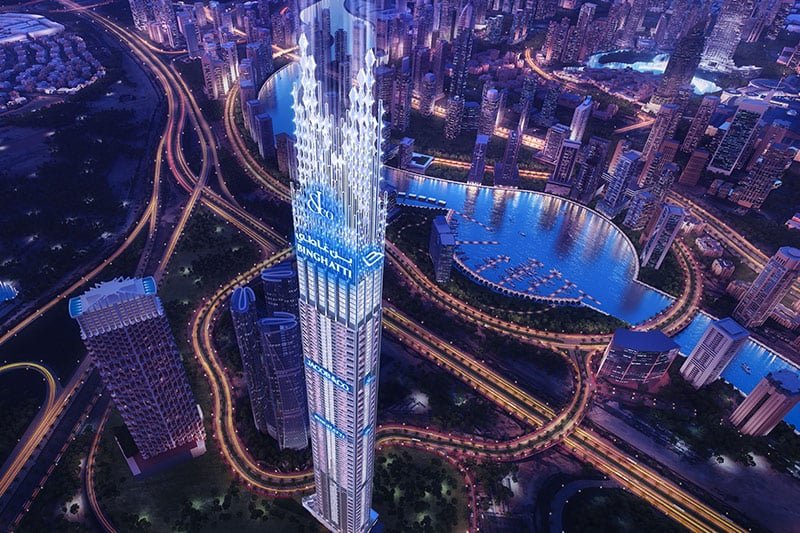
The United Arab Emirates, a nation once known for its vast desert landscapes and pearl diving heritage, has officially surpassed the United States in the number of completed supertall skyscrapers — a title long held by cities like New York and Chicago. This remarkable achievement marks yet another milestone in the UAE’s ambitious quest to lead the world in modern architecture, futuristic cityscapes, and sky-defying innovation.
The Birth of a New Skyscraper Capital
Decades ago, few could have imagined that the UAE would one day become a global epicenter for skyscraper enthusiasts. With its rapid urban development, visionary leadership, and passion for architectural grandeur, the nation has transformed its skyline in a remarkably short span of time.
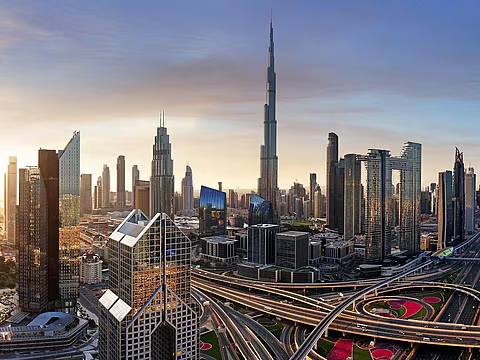
The journey began with the introduction of the Emirates Towers in Dubai in the late 1990s — structures that hinted at the nation’s growing appetite for vertical ambition. But it wasn’t until the completion of the Burj Khalifa in 2010, standing tall at 828 meters, that the world truly began to pay attention. The Burj Khalifa remains the tallest man-made structure on the planet and a global symbol of human possibility.

Following the success of this iconic landmark, both Dubai and Abu Dhabi accelerated the pace of their high-rise projects. The UAE’s construction boom showed no signs of slowing down, with developers competing to outdo each other in both height and design innovation.
What Defines a Supertall Skyscraper?
To fully appreciate this achievement, it’s important to understand what qualifies as a “supertall” skyscraper. According to global architectural standards, a building that exceeds 300 meters (approximately 984 feet) is classified as supertall. These structures require highly advanced engineering, cutting-edge construction technology, and rigorous safety systems due to the unique challenges posed by such heights.

The UAE now boasts a significant number of these impressive buildings, officially overtaking the United States — a country traditionally celebrated as the birthplace of the skyscraper.
Why the UAE?
The reasons behind the UAE’s dominance in the skyscraper race are many. The country’s leadership has consistently pushed the boundaries of what’s possible, often turning seemingly impossible ideas into reality. Economic diversification away from oil, a strategic emphasis on tourism, and a desire to cement the UAE’s place on the global stage have all contributed to the surge in supertall structures.
In addition to government support, favorable regulations for real estate investment and an influx of international developers have helped fuel this vertical expansion. Unlike many other major cities, the UAE offers vast stretches of developable land, relatively fewer restrictions on height, and a culture that celebrates architectural daring.
The result? A skyline that not only rivals but often surpasses that of traditional skyscraper cities.
Dubai: The Crown Jewel of the UAE’s Skyline
While Abu Dhabi and other emirates have made significant contributions to this architectural revolution, it’s Dubai that stands as the undisputed leader. The city has firmly positioned itself as a playground for avant-garde architects and developers eager to leave their mark.
Some of Dubai’s most famous supertall buildings include the Marina 101, Princess Tower, and the Address Boulevard. Each of these structures not only adds to the sheer number of supertall skyscrapers but also showcases distinct designs, luxurious amenities, and cutting-edge construction techniques.
Marina 101, for example, soars to 425 meters, making it the second tallest building in Dubai and the fourth tallest residential building in the world. Princess Tower, another residential marvel, previously held the title of tallest residential building globally.
Moreover, Dubai’s ambitious skyline continues to grow with projects like Uptown Tower and One Za’abeel — buildings that fuse engineering brilliance with lifestyle innovation.
Breaking Records, Shaping Culture
The UAE’s obsession with height isn’t simply about breaking records; it’s about reshaping identity and culture. For a country with modest geographic size but massive global ambitions, verticality represents progress, prosperity, and a refusal to be limited by natural constraints.
Every new skyscraper tells a story — of visionaries who dared to dream, of architects who defied gravity, and of a society that embraces change. The buildings are not just structures; they’re experiences. Rooftop lounges overlooking the Arabian Gulf, luxurious penthouses suspended in the clouds, and observation decks offering panoramic city views have become integral parts of urban life.
The skyline serves as both a literal and metaphorical reflection of the nation’s spirit: bold, dynamic, and unapologetically ambitious.
Global Recognition and Future Prospects
The international community has taken notice of the UAE’s architectural feats. The Council on Tall Buildings and Urban Habitat (CTBUH), the globally recognized authority on tall building data, has acknowledged the UAE’s remarkable rise in its annual reports.
What makes the UAE’s achievement even more extraordinary is the relative youth of its skyscraper landscape. While cities like New York took over a century to amass their collections of supertall buildings, the UAE has accomplished this in less than three decades.
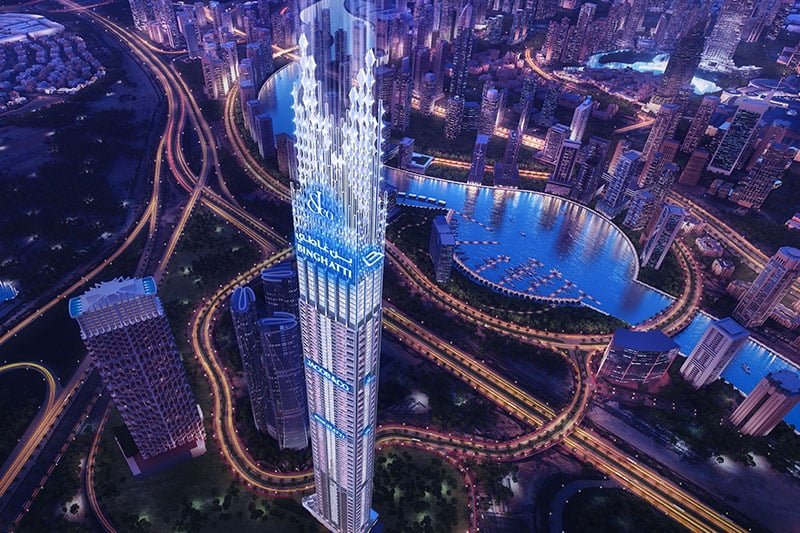
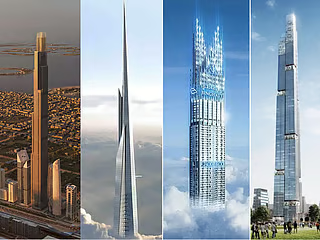
And the journey is far from over. Several new projects are already in the pipeline. The most highly anticipated is the Dubai Creek Tower, which, if completed according to initial plans, would surpass the Burj Khalifa to claim the title of the world’s tallest structure.
There’s also Abu Dhabi’s growing list of skyline-defining projects, as the capital aims to complement its reputation as a cultural and political hub with a visually stunning cityscape.
Skyscrapers Beyond Dubai
Although Dubai captures most of the attention, other emirates have also embraced the vertical living culture. Abu Dhabi has gradually expanded its skyline with projects like The Landmark, Sky Tower, and the upcoming Nation Towers.
Sharjah and Ras Al Khaimah, while more conservative in their high-rise ambitions, are seeing increased interest from developers aiming to bring luxury vertical living outside of Dubai’s orbit. These projects signify the broader appeal of vertical development across the UAE.
The Human Story Behind the Concrete Giants
Behind every supertall skyscraper is a human story — of thousands of workers, engineers, and visionaries coming together to achieve the extraordinary. The construction of these buildings requires precision, collaboration, and often, personal sacrifice.
From crane operators working hundreds of meters above ground to architects sketching daring designs on paper, each structure represents a collective triumph. These skyscrapers aren’t just corporate assets or city landmarks; they’re monuments to human ingenuity and resilience.
The UAE’s ability to mobilize and coordinate massive resources to complete these complex projects is a testament to the nation’s organizational strength and its people’s work ethic.
What This Means for the UAE’s Global Image
By overtaking the USA in supertall skyscraper count, the UAE has firmly positioned itself as a symbol of 21st-century urban ambition. It’s no longer just about oil wealth or luxury tourism; it’s about innovation, design leadership, and setting global standards.
This achievement enhances the UAE’s appeal as an investment destination, a tourist hotspot, and a future-ready society. Tourists flock to Dubai not just for its beaches and malls but to stand at the top of the world in the Burj Khalifa or sip coffee in a penthouse overlooking an ever-evolving skyline.
It sends a clear message to the world: the UAE isn’t following trends — it’s creating them.
The Future of Vertical Living in the UAE
As sustainability and smart city concepts gain momentum globally, the UAE is integrating these ideas into its skyscraper culture. Future supertall buildings are expected to prioritize energy efficiency, renewable resources, and environmentally friendly materials without compromising on luxury or innovation.
Dubai and Abu Dhabi’s developers are exploring vertical gardens, integrated transportation hubs within towers, and AI-powered building management systems that enhance both resident experience and operational efficiency.
This forward-thinking approach ensures that while the UAE continues to reach for the skies, it does so responsibly and sustainably.
Conclusion
The UAE’s rise to the top of the global skyscraper scene is more than an architectural feat — it’s a reflection of the nation’s relentless drive to innovate, inspire, and lead. By overtaking the USA in the number of supertall skyscrapers, the country has solidified its status as a global icon of urban ambition and design excellence.
With each new skyscraper, the UAE writes another chapter in its remarkable success story — one that proves how bold vision, strategic planning, and fearless execution can reshape not just skylines, but the way the world sees a nation.
As new projects break ground and new heights are reached, one thing is certain: the UAE’s skyline is far from finished, and its story of vertical ambition has only just begun.
Follow us on Instagram: UAE STORIES
The Best All-You-Can-Eat Sushi Deals in Dubai