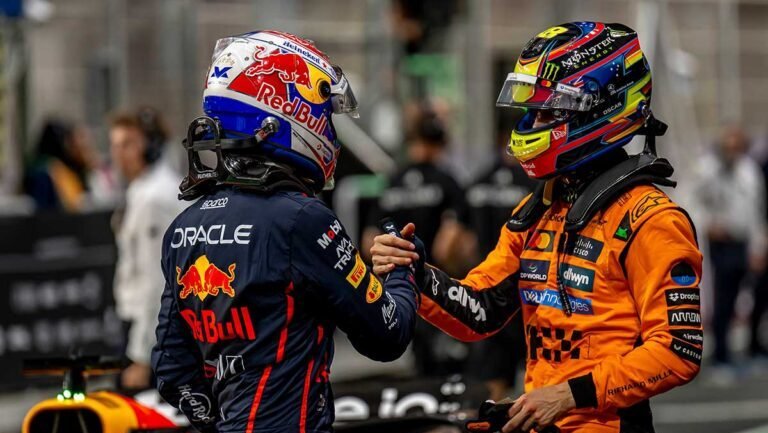
In recent years, Saudi Arabia sports investment has become a game-changer, not just in the Middle East but globally. The Kingdom’s aggressive push into sports is transforming the global sports industry, which is estimated to be worth a staggering $600 billion. Through high-profile acquisitions, hosting mega-events, and developing new sports infrastructure, Saudi Arabia is not only diversifying its economy but also reshaping global sports dynamics.
Why Saudi Arabia is betting big on sports
Saudi Arabia’s interest in sports is part of its ambitious Vision 2030 plan — a strategic framework to reduce its dependence on oil, diversify its economy, and develop public service sectors like health, education, infrastructure, recreation, and tourism.
Crown Prince Mohammed bin Salman has positioned sports as a key pillar of this vision. By investing heavily in global sports, Saudi Arabia aims to:

- Boost tourism and attract millions of visitors.
- Improve public health by encouraging sports participation.
- Enhance national pride and international image.
- Create jobs and stimulate new business opportunities.
These goals align with the country’s broader ambitions to emerge as a global hub for entertainment and sports.
Massive investments and headline-grabbing deals
One of the most significant ways Saudi Arabia is making its mark is through direct investments and sponsorships in major sports leagues and events.

Football: The biggest prize
Football is at the heart of Saudi Arabia sports investment. The country stunned the world by signing global football stars such as Cristiano Ronaldo to play in its domestic league, the Saudi Pro League. In addition, clubs like Al Nassr and Al Hilal have invested millions to attract top players from Europe and South America.
Saudi Arabia has also taken stakes in major European football clubs and leagues, expanding its influence beyond its borders. Rumors persist that the country is interested in co-owning or partnering with top Premier League and La Liga clubs, further proving its serious commitment.
Golf: The LIV Golf revolution
Another major move was the creation of LIV Golf, funded by Saudi Arabia’s Public Investment Fund (PIF). This new golf league has attracted top talents from the PGA Tour, offering lucrative contracts and reshaping the sport’s competitive landscape.
While initially controversial, LIV Golf has forced established tours to rethink their business models, bringing more attention (and criticism) to Saudi Arabia’s involvement in global sports.
Motorsports: Speeding ahead
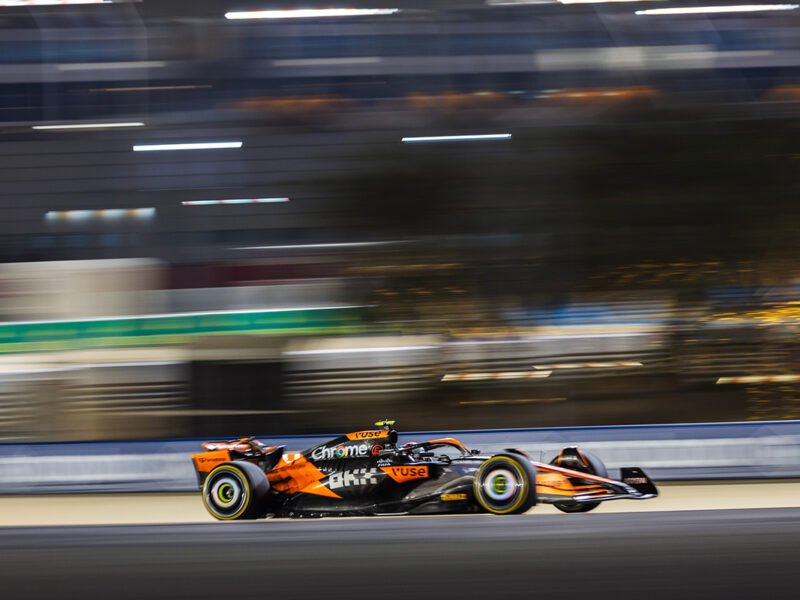
Formula 1 and Formula E races in Jeddah and Diriyah are clear examples of Saudi Arabia’s strategy. The Jeddah Corniche Circuit, designed along the Red Sea, is now a regular part of the Formula 1 calendar, bringing global attention to the Kingdom.
These events are more than just races; they are massive tourism drivers that showcase Saudi Arabia’s hospitality, infrastructure, and scenic locations.
Beyond big names: Developing local sports culture

While big signings and events dominate headlines, Saudi Arabia is also focused on building grassroots sports programs. The government has increased funding for local sports clubs, built new stadiums and training facilities, and introduced sports into school curriculums.
The country hosted its first women’s football league and continues to encourage female participation in various sports. These initiatives are crucial to achieving long-term success and creating a sports culture from the ground up.
The economic impact of Saudi Arabia sports investment
Saudi Arabia’s sports drive is not just about entertainment; it is a strategic economic play. By 2030, the sports sector is expected to contribute more than $20 billion annually to the Saudi economy. The ripple effects include:
- Tourism growth: Mega-events attract international tourists, boosting hotels, restaurants, and transport sectors.
- Job creation: New opportunities arise in sports management, coaching, event management, hospitality, and media.
- Urban development: New stadiums and sports complexes transform cities and create modern infrastructure.
The Kingdom’s investment strategy also includes partnerships with global sports brands and technology companies, creating new revenue streams and positioning Saudi Arabia as a future leader in sports tech and innovation.
Criticism and controversies
Despite its successes, Saudi Arabia’s sports strategy has faced criticism. Many human rights organizations accuse the Kingdom of “sportswashing” — using sports to distract from its human rights record and controversial policies.
High-profile deals have sparked debates among fans, players, and organizations. Critics argue that money is being used to buy positive global attention rather than genuinely support sports.
Saudi officials, however, maintain that their investments aim to improve the country’s image, offer opportunities to its citizens, and promote social reforms.
Middle East following Saudi Arabia’s lead
Saudi Arabia’s bold moves have inspired neighboring countries in the Middle East to increase their sports investments. The UAE, Qatar, and Bahrain are all expanding their sports portfolios.
- Qatar: After successfully hosting the FIFA World Cup 2022, Qatar continues to invest in football clubs and global sports partnerships.
- UAE: Dubai and Abu Dhabi have long hosted major tennis, golf, and Formula 1 events, and they continue to develop sports tourism.
- Bahrain: With its established Formula 1 Grand Prix and regional football initiatives, Bahrain is also strengthening its sports footprint.
Together, these countries are turning the Middle East into a powerful player in the global sports ecosystem.
Changing global sports power dynamics
With billions of dollars pouring into the sports sector, Saudi Arabia and its neighbors are shifting the balance of power in global sports. Traditionally dominated by Europe and North America, the global sports market now sees strong competition from the Middle East.
This shift is not just financial; it is cultural and strategic. Middle Eastern countries are redefining how sports events are organized, promoted, and experienced. They are introducing new standards of luxury hospitality, technology integration, and fan engagement.
Future prospects: What’s next for Saudi sports?
The future of Saudi Arabia sports investment looks even more ambitious. Plans include bidding to host the FIFA World Cup in 2034, expanding the Saudi Pro League, and launching new international competitions across various sports.
Additionally, Saudi Arabia is exploring investments in esports, a rapidly growing global industry expected to reach over $1.6 billion in revenue by 2024. By tapping into this digital frontier, Saudi Arabia aims to attract younger audiences and further diversify its sports portfolio.
The Kingdom is also prioritizing sustainability in sports infrastructure, aligning with global trends and enhancing its appeal to international partners.
Key takeaways
- Saudi Arabia sports investment is a central part of Vision 2030, aiming to diversify the economy and enhance global influence.
- The Kingdom has invested heavily in football, golf, motorsports, and more, reshaping global sports markets.
- These investments support economic growth, job creation, tourism, and urban development within Saudi Arabia.
- While criticized as “sportswashing,” the strategy has undeniably changed global sports dynamics.
- The Middle East region is increasingly becoming a powerful force in the global sports industry.
Conclusion
Saudi Arabia’s foray into the $600 billion global sports market is bold, controversial, and undeniably transformative. By combining massive financial power with strategic vision, the Kingdom is rewriting the rules of global sports.
Whether it’s welcoming the world’s biggest football stars, launching new golf leagues, or hosting Formula 1 races, Saudi Arabia sports investment is changing how fans experience sports and how nations compete for global influence.
As this movement continues to grow, sports fans, athletes, and businesses around the world will need to watch closely. The Middle East’s rise in sports is not a passing trend — it is a major shift that promises to shape the industry for decades to come.
Follow us on instagram: UAE STORIES
Read More: ZEGNA Dubai strategy: bold expansion & record-breaking success